
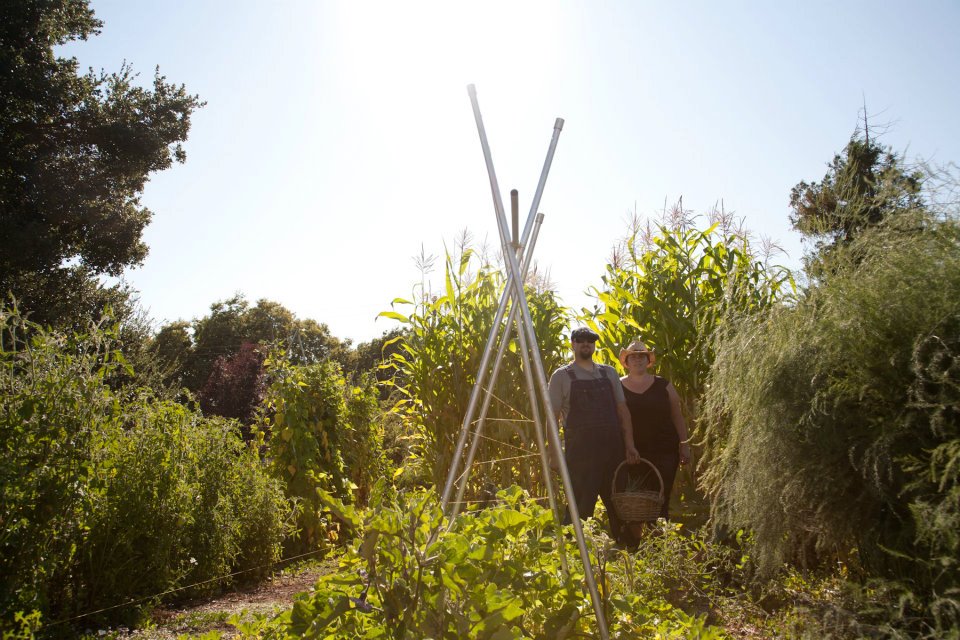
This has been on my mind a lot. How do we grow food during climate change? It’s hotter and drier here in northern California, which makes it tough to grow food during the summer. But maybe we need to consider changing what we grow to work with the changing climate.
For Drier, Hotter Climates
Here in California, our climate is definitely getting drier and hotter. We already don’t get rain in the summer, which can make gardening difficult without irrigation. Not only the water restrictions creating an issue, but the lack of early season rainfall makes the soil drier with less residual moisture. I definitely see a huge difference in production between normal rain years and drought years in the garden, even if I’m irrigating the same.
- Choose species that are traditional crops of indigenous peoples of the Southwest. Beans, corn and squash were the mainstays in these regions.
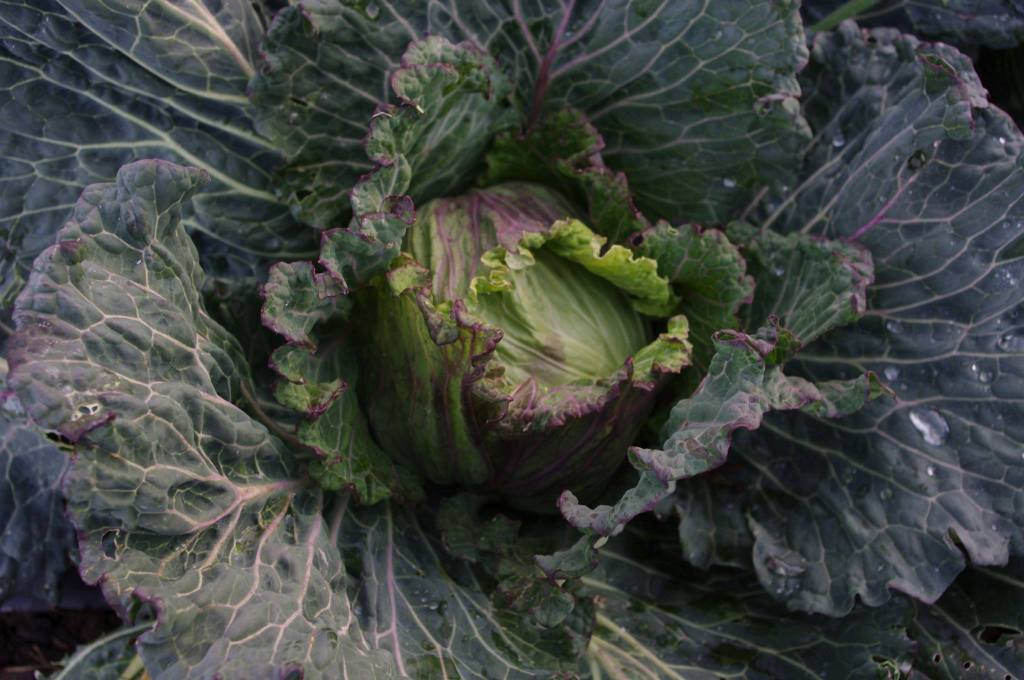
- Grow cool season vegetables to take advantage of the cooler, rainy season. These include cabbage, lettuce, spinach, onions, garlic, carrots, beets, broccoli, Brussels sprouts, kale, collards, fava beans, and grains.
- Grow vegetables and fruits that are typically used for dry farming. Tomatoes, potatoes, squash, corn, beans, some watermelons, olives, grapes, and blackberries.
- Use at least 3″ deep mulch in garden beds to help keep the soil moister and cooler.
- Install drip irrigation underneath the mulch and only water between 6pm and 10am to reduce evaporation.
- Add a lot of organic matter/compost to the soil. Do not dig it in or till the soil. Doing so ruins the structure of the soil, thus making it less capable of holding water.
- Plant further apart and keep beds weeded so that plants aren’t competing for water.
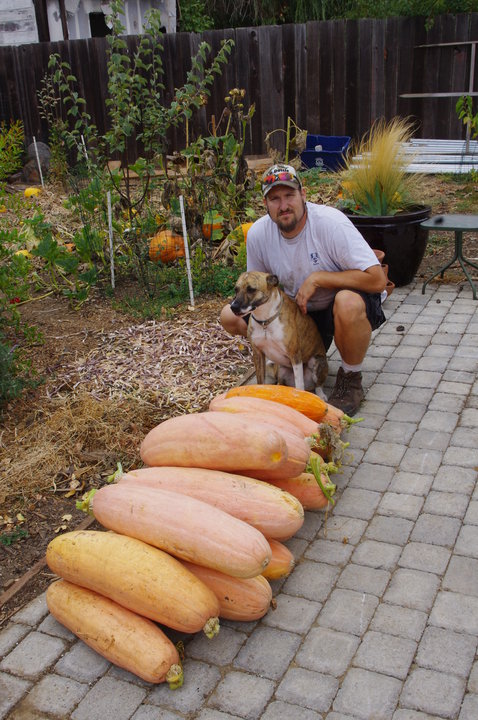
- Grow cool season vegetables in the winter when we do get rains and cooler temps. Brassicas (cauliflower, broccoli, cabbage, etc), root vegetables, cool season grains, greens and lettuces all do great in our cooler, wetter seasons. Learn how to preserve these vegetables so that you can have them through summer.
- Capture rainwater to supplement your irrigation. Do not connect them together as you do not want to contaminate the potable water system. You can also divert rainwater to swales or small basins/ponds to recharge groundwater. A small 10’x12′ shed can help collect over 1,600 gallons of water in an average rainy season in the SF Bay Area.
- Use greywater for parts of your garden where it won’t touch your food. Fruit trees are perfect for greywater distribution. Make sure you use greywater safe soaps and detergents.
- Avoid pruning plants unless absolutely necessary. Pruning causes growth spurts that can require more water. Newer growth loses more water when it’s hot.
For Wetter, Hotter Climates:
In other parts of the country, summers have become hotter and wetter. Flooding is a real concern for many areas. Unfortunately there is not much one can do about catastrophic flooding from a single property standpoint. Many communities are located within floodplains, which makes them more prone to floods.
But not all is lost. Below is a list of some options that you can do to reduce issues with water:
- Recreating wetlands is a tried and true way to reducing flood events. It requires communities to come together to set aside land to absorb excess water runoff from storms.
- Also reducing the amount of runoff by using permeable surfaces rather than impervious. Property owners can do their part by reducing runoff from their land by putting in bioretention basins, also known as raingardens, so as to keep water on their property and allow it to recharge the aquifers.
- Add organic matter to absorb excess water and reduce erosion.
- Do not till your soil. It ruins the structure and makes it less capable of absorbing water.

When it comes to growing food, here are some things you can do:
- Plant in raised beds, which drain better and are less likely to stay inundated.
- Choose varieties that are more resistant to diseases, especially fungal diseases.
- Choose edibles that are customarily grown in warmer/wetter (think tropical) regions.
- If your soils are clayey, add lots of organic matter and gypsum to help increase drainage.
- Move water away from gardens using swales.
- Utilize shade cloth over garden beds to help mitigate extra heat.
- Plant earlier in the season, if possible, to avoid the hotter months.
For Colder Climates
It may not seem to make sense, but eventually, parts of the planet are going to become colder with shorter growing seasons. So it’s best to prepare for this happening.
- Choose varieties that have a shorter season with an earlier harvest date. Also look at varieties that were originally developed in colder climates, such as northern Europe, Canada, or even northern US states.
- Choose cool growing vegetables such as greens, root vegetables, and brassicas.
- Utilize season extenders such as row covers, cold frames, and hoop houses.
- Build a greenhouse. Even an unheated greenhouse can significantly extend your growing season. You can purchase kits, but if you’re at all crafty, which I suggest you become, you can build one using used windows. If you can find used double pane windows, even better.
- Even with cool growing vegetables, you can use layers of straw to help insulate the ground to extend the season and help protect the plants.
- Use string lights for more sensitive perennial plants and trees. If they can withstand being wrapped in lights, this can significantly help them survive colder nights. Make sure they are not LED because those do not provide enough heat to raise the temperature immediately around the plant.


 M.A.S.S. Revolution
Leave a reply to MASSrevolution Cancel reply